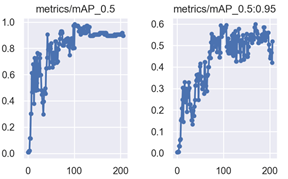
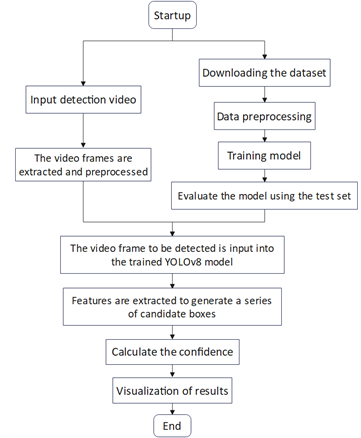
Cancer encompasses a broad spectrum of diseases marked by abnormal cell growth that can potentially spread throughout the body. Common types include breast, lung, colon, rectal, and skin cancers, among others. Early detection is crucial for effective treatment of skin cancer, which ranks among the prevalent forms of cancer. However, traditional diagnostic methods are time-consuming and depend on the expertise of dermatologists. This research aims to investigate the application of machine learning (ML) for identifying skin cancer from images, aiming to improve early detection and diagnosis. Various image preprocessing techniques, feature extraction methods, and ML algorithms are applied to a dataset of skin lesion images. Various machine learning models are assessed and compared based on relevant metrics for their effectiveness in detecting skin cancer. Preliminary findings indicate that ML algorithms can achieve high accuracy in skin cancer identification, potentially improving diagnostic efficiency and accessibility. However, the research also highlights obstacles such as imbalanced data and the need for model interpretability, which must be addressed for practical implementation. This research contributes to the expanding knowledge on ML applications in healthcare, particularly in dermatology. It highlights the potential of ML in skin cancer identification and provides insights into the challenges and limitations that need to be overcome for successful implementation. The study emphasizes the necessity for future research to refine these techniques and enhance their clinical applicability.
Research Article
Open Access